The first hints
A sore throat, high temperature or less interest in food can come first. At this point, the symptoms may look like several other illnesses. [1]
A sore throat. A missed meal. Then mouth sores and spots on little hands or feet. Here’s how hand, foot and mouth disease usually unfolds, and when to ask for help.
General education, not a diagnosis. Do not wait for a stage in the guide if your child is getting worse.
A sore throat, high temperature or less interest in food can come first. At this point, the symptoms may look like several other illnesses. [1]
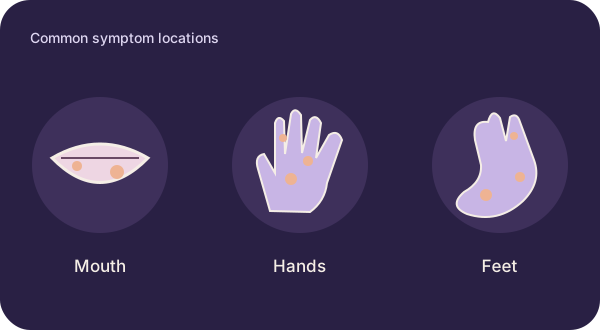
A few days later, painful mouth ulcers and a raised rash may appear. Spots often affect the hands and feet, and sometimes the groin or bottom. They can look pink, red or darker than nearby skin. Some become painful blisters. [1]
The illness usually clears by itself in 7 to 10 days. That range is a guide, not a recovery deadline. Antibiotics and other medicines do not cure it. Keep an eye on drinking and whether your child is peeing less than usual. [1]
If symptoms have not improved after 7 to 10 days, contact a clinician. Call the clinic before visiting: hand, foot and mouth disease spreads easily, and they may suggest a phone consultation. Ask for help sooner if you are worried. [1]
Clinicians may ask whether sore throat, high temperature or reduced appetite came first, and whether mouth ulcers and a raised rash appeared a few days later. This sequence can fit hand, foot and mouth disease, but it is not a stand-alone confirmation. [1]
They may ask where the spots are: hands and feet are common sites, with the groin or bottom sometimes involved. Spots can be pink, red or darker than nearby skin; some turn into painful blisters that may look grey or lighter. Skin tone affects how colours appear. [1]
No single rash description here confirms the diagnosis. If you are unsure, a clinician can assess the symptoms together and consider whether the timing and pattern fit. Seek medical advice if symptoms have not improved after 7 to 10 days, or if you are worried about your child. [1]
A rash on its own does not identify the illness. The timing of fever or a sore throat, mouth ulcers and where the spots appear all help a clinician understand the picture. If you are unsure what the rash is, ask for an assessment. [1]
Painful mouth ulcers together with spots on the hands and feet can fit this illness, particularly when they follow early symptoms by a few days. Their presence does not prove the cause; assessment depends on the overall story. [1]
Ask a clinician if you are unsure, if symptoms have not improved after 7 to 10 days, or if you are worried. Call the GP surgery before going in; they may suggest a phone consultation because the illness can spread to others. [1]
Ask for urgent medical advice if your child has a very high temperature, or feels hot, cold or shivery. Do not wait for the rash to change before asking for help. In the UK, the NHS advises an urgent GP appointment or NHS 111; elsewhere, use your local urgent-care service. [1]
Get urgent medical advice if your child is peeing less than usual. This can be a sign of dehydration, particularly when a sore mouth makes drinking difficult. Use your local urgent-care service; in the UK, the NHS advises an urgent GP appointment or NHS 111. [1]
If you are worried about your child’s symptoms, ask for urgent medical advice. If symptoms have not improved after 7 to 10 days, contact a clinician. Call the clinic before visiting because the illness can spread to others. [1]
AI-assisted draft based on the sources below. Stages may overlap and duration varies.
Clinical and language review pending.